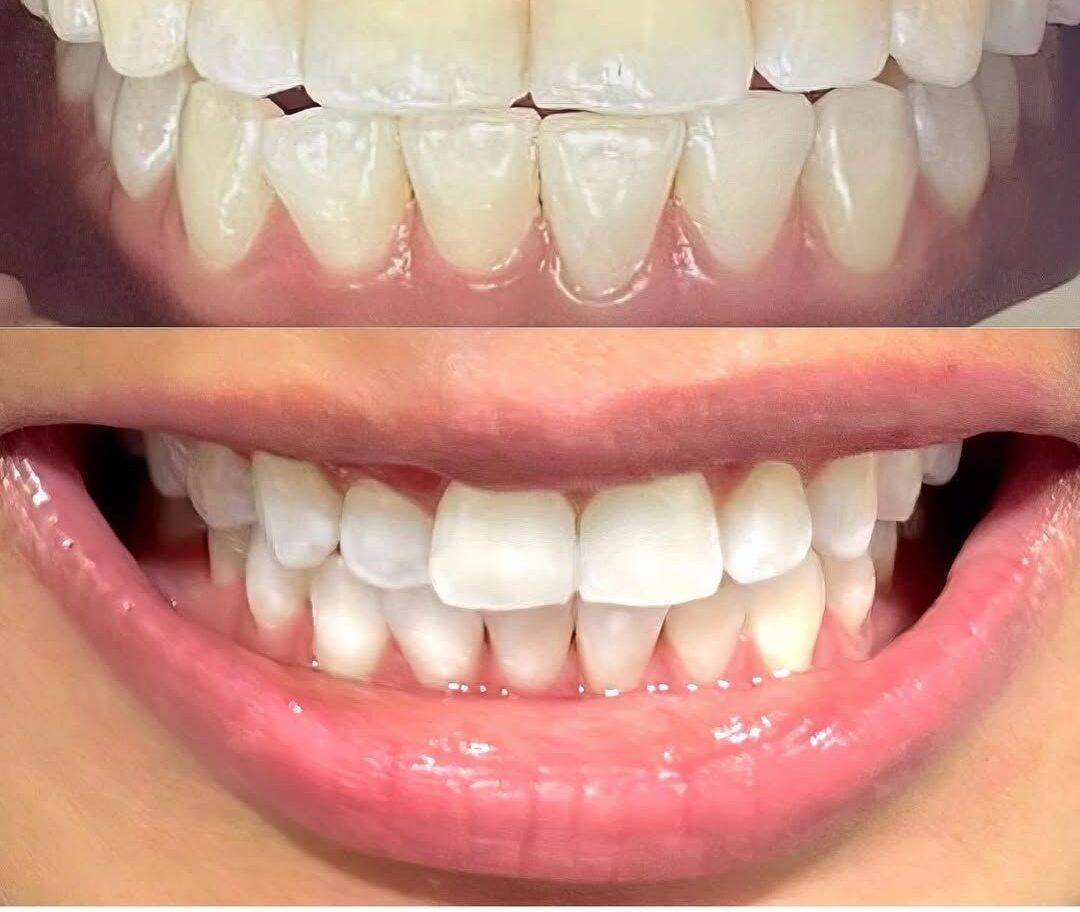
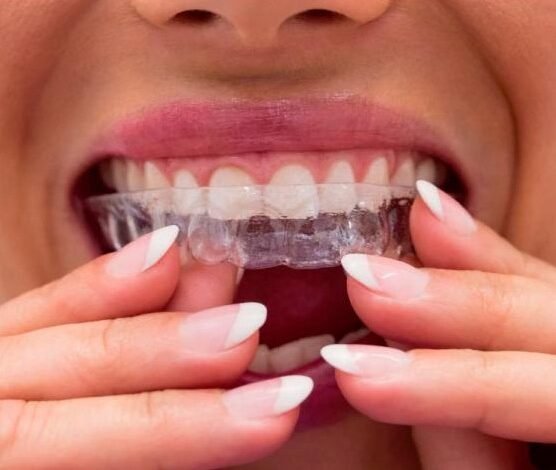
Blanqueamiento Dental Profesional
Si sientes que tu sonrisa ha perdido brillo — por el café, el tiempo, o simplemente la vida — hay so...
Planning a dental tourism trip to Colombia involves a bit more than just booking a dental appointment. You need to think about which city to fly into, where to stay, how many days to plan for, what to do during recovery days, and how to stay safe and comfortable as a tourist. This guide covers all of it — practical, honest, and based on what actually works for international patients coming from the USA, Canada, and UK.
Medellín is consistently the top choice for dental tourists from North America. José María Córdova Airport (MDE) has direct flights from Miami, Fort Lauderdale, and New York JFK, and connecting flights via Bogotá or Panama City from virtually everywhere else. The city has an extraordinary year-round spring climate (22-28°C), a world-class food and culture scene, and a concentration of excellent dental specialists. El Poblado is the ideal base — safe, walkable, packed with restaurants and cafes.
Bogotá has the best-connected airport in Colombia (El Dorado, BOG) with direct flights from Miami, New York, Fort Lauderdale, Toronto, Madrid, London, and many other international cities. It is the easiest city to fly into non-stop, particularly from Europe. The city is cool (14-18°C year-round due to altitude), culturally extraordinary, and has a dense concentration of dental specialists. Zona Rosa and Usaquén are the recommended neighborhoods to stay in.
Cartagena is ideal for patients who want to combine their dental trip with a genuine Caribbean vacation. Rafael Núñez Airport (CTG) has direct flights from Miami and Fort Lauderdale. The city is warm year-round (27-32°C), the UNESCO walled city is one of the most beautiful in the Americas, and the beaches are excellent. Best for cosmetic treatments that allow for beach recovery rather than full surgical procedures.
From the US East Coast, direct flights to Bogotá and Medellín run approximately $300-$600 round trip. From the US West Coast, plan for one stop — usually Miami or Panama. From Canada, direct flights from Toronto to Bogotá are available seasonally; otherwise connect via Miami or Panama. From the UK, British Airways and Avianca fly London Heathrow to Bogotá direct. Connecting via Madrid (Iberia) is also a good option.
Airlines to look at: Avianca, LATAM, American, United, Copa (via Panama City), and Iberia (from UK/Europe). Flight booking tip: Bogotá tends to have the most competitive fares due to higher volume. Medellín flights can be slightly more expensive but the city experience often justifies it for first-time visitors.
El Poblado: Safest, most tourist-friendly, great restaurants, close to clinics. Airbnb runs $50-$100/night; boutique hotels $80-$150/night. Laureles: More residential, quieter, slightly more budget-friendly. Also highly recommended for longer stays.
Zona Rosa / T Zone: Upscale shopping and dining district, safe for tourists, major hotels present. Usaquén: Charming colonial neighborhood, excellent restaurants, Sunday antiques market. Budget: $50-$80/night Airbnb; $90-$180/night hotel.
Walled City (Getsemaní, El Centro): Most atmospheric, colonial architecture, boutique hotels, $80-$180/night. Bocagrande: Modern beachside district, more hotels per square mile, slightly lower prices, good if you want beach proximity.
After most dental procedures, you are not bedridden — you just want to take it easy. Colombia provides perfect recovery conditions: good coffee shops, excellent food, interesting museums, walkable neighborhoods, and warm hospitality. Specific recommendations by city:
Medellín: Botero Plaza (outdoor sculptures, free), the Botanical Garden (free), neighborhood cafes in El Poblado, the Metrocable for mountain views. Day trip to Guatapé once treatment is complete.
Bogotá: Museo del Oro (Gold Museum — genuinely world-class), La Candelaria historic district walking tour, the Chorro de Quevedo plaza, bookshop cafes throughout the Chapinero area. Monserrate cable car for city views.
Cartagena: Evening walks along the city walls, the Getsemaní neighborhood (day and evening), boat trip to the Rosario Islands (plan for when treatment is fully complete), the Clock Tower plaza and its surrounding restaurants.
Colombia is safe for tourists who take standard precautions. The neighborhoods recommended in this guide are all appropriate for international visitors. Key tips: Use Uber or InDriver app for transport — safer and more convenient than hailing street taxis. Do not walk with your phone out unnecessarily. Leave expensive jewelry and watches at home or in your hotel safe. Keep copies of your passport and travel documents separate from the originals. Let your hotel front desk know your daily schedule.
Colombia is not the Colombia of 25 years ago. It receives over four million international visitors annually. Millions of people travel there safely every year — including dental tourists who have nothing but positive things to say about their experience.
Colombia does not have extreme seasonal variation but there are dry and wet seasons. Medellín’s dry seasons are December-March and June-August — perfect weather, slightly busier tourism. Bogotá is cooler year-round; January-March and July-August are drier. Cartagena is warm year-round; December-April is the dry season and the most popular period.
For dental tourism specifically, there is no bad time of year to go. The procedures are performed in climate-controlled clinics regardless of weather. The main planning consideration is availability — holiday periods (December, Easter) mean higher flight and hotel prices, so plan accordingly.
Do I need travel insurance for a dental tourism trip to Colombia?
We strongly recommend it. Look for a policy that covers medical evacuation and emergency dental treatment. Many standard travel insurance policies exclude elective dental, so read the fine print carefully.
Can I drink the tap water in Colombia?
In major cities (Bogotá, Medellín, Cartagena), tap water is technically treated, but most visitors and locals drink bottled water. Bottled water is inexpensive and widely available.
What currency should I bring?
Colombian Pesos (COP). ATMs are widely available in all major cities. Visa and Mastercard are accepted at most hotels, restaurants, and larger shops. Smaller street vendors and local markets are cash only. Exchange rates at ATMs tend to be the best.
Should I plan anything for the day I fly home?
Plan your final dental appointment at least 24 hours before your flight if possible. After some procedures you may have mild sensitivity or numbness — having a buffer day is comfortable, not strictly necessary.
Can my travel companion come along?
Absolutely. Colombia is an excellent travel destination. Your companion can explore the city during your appointments and join you for everything else. Most patients say having a travel companion makes the trip more enjoyable.
Visit our Dental Tourism Colombia hub for the full overview. See our How It Works page for the step-by-step treatment process and our FAQ page for answers to all your questions.
Complete your trip planning with these resources:
Lunes a domingo: 8:00 AM – 8:00 PM